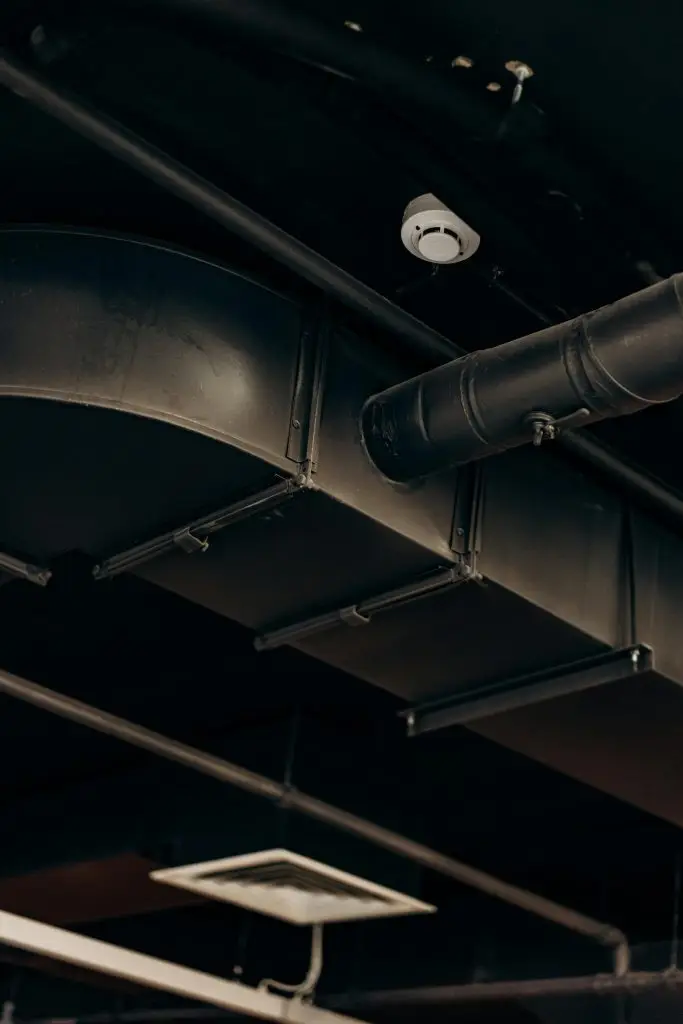

Combustible Dust Hazards: How Poor Cleaning Puts Your Facility at Risk
Combustible Dust Hazards: How Poor Cleaning Puts Your Facility at Risk The Silent Threat Accumulating in Your Facility Between 2008 and 2019, combustible dust incidents in the United States resulted in 119 deaths and over 370 injuries, according to the U.S. Chemical Safety Board. These devastating explosions don’t just happen in chemical plants or oil refineries. They occur in food processing facilities, woodworking shops, metal fabrication plants, and other industrial environments where seemingly harmless dust accumulates day after day. For facility managers across manufacturing and processing industries, combustible dust represents one of the most underestimated hazards in workplace safety. The fine particles generated during routine operations (grain dust, wood flour, metal shavings, sugar, flour, plastic residue) can become explosive under the right conditions. Yet many facilities treat dust accumulation as a minor housekeeping issue rather than the critical safety threat it truly is. The danger is insidious because it builds gradually. A thin layer of dust on overhead beams may seem insignificant, but when that dust is disturbed by equipment vibration, maintenance activities, or even a minor initial explosion, it can disperse into the air and ignite. Secondary explosions caused by accumulated dust are often far more destructive than the initial incident. At Green Box Maintenance, we work with industrial facilities where combustible dust is an inherent byproduct of operations. Understanding how dust becomes explosive, recognizing the industries at highest risk, and implementing proper cleaning protocols can mean the difference between safe operations and a huge disaster. This guide will help you identify combustible dust hazards in your facility, understand OSHA’s compliance requirements, and establish cleaning practices that prevent explosions before they occur. Understanding Combustible Dust Combustible dust isn’t a specialized chemical or rare industrial byproduct. It’s fine particles created during everyday manufacturing and processing operations. Understanding what makes these common materials dangerous is the first step in protecting your facility. What is Combustible Dust? Combustible dust is any fine solid particle that presents a flash fire or explosion hazard when suspended in the air. When these particles accumulate on surfaces, they may seem harmless. But when disturbed and dispersed into a dust cloud in with a high enough concentration, they ignite and explode. Common combustible dusts include: Food products: Grain, flour, sugar, cornstarch, powdered milk, spices, cocoa Wood: Sawdust, wood flour from sanding and cutting operations Metals: Aluminum, magnesium, iron, zinc dust from grinding, polishing, or machining Plastics and resins: Fine particles from molding, cutting, or grinding operations Textiles: Cotton, linen, synthetic fiber dust Chemicals: Pharmaceutical powders, pesticides, dyes The Five Elements of a Dust Explosion A dust explosion requires five specific conditions to occur simultaneously (known as the “Explosion Pentagon”): Combustible dust – Fine particles capable of burning Ignition source – Spark, flame, hot surface, static electricity, or friction Oxygen – Present in normal atmospheric air Dispersion – Dust suspended in the air as a cloud Confinement – Enclosed or semi-enclosed space that allows pressure buildup Remove any one element, and an explosion cannot occur. However, in typical industrial environments, oxygen and potential ignition sources are nearly impossible to eliminate. This makes dust control and proper confinement management critical. Why Accumulated Dust Creates Exponential Hazard The real danger lies in secondary explosions. Here’s how a catastrophic incident typically unfolds: Primary explosion: A small dust cloud ignites from an ignition source (equipment malfunction, static discharge, hot work) Shockwave: The initial explosion creates a pressure wave that disturbs accumulated dust on overhead surfaces, beams, and equipment Secondary explosion(s): The newly dispersed dust ignites, often with far greater force than the primary explosion due to larger quantities of suspended dust Chain reaction: Multiple secondary explosions can occur throughout interconnected areas of the facility This is why even thin layers of dust are considered hazardous by OSHA. What appears to be a minor accumulation contains enough fuel to create deadly secondary explosions. Industries at Highest Risk While any facility that generates fine particulates faces combustible dust hazards, certain industries have particularly high risk profiles: Food Processing and Grain Handling Flour mills, grain elevators, feed mills Sugar refineries and confectionery operations Spice processing facilities Woodworking and Furniture Manufacturing Sawmills and lumber processing Cabinet and furniture makers Wood pellet production Metal Fabrication and Processing Aluminum and magnesium machining operations Metal grinding, buffing, and polishing Powder metallurgy facilities Chemical and Pharmaceutical Manufacturing Powder processing and blending operations Pharmaceutical tablet production Pesticide and herbicide manufacturing Textile Production Cotton processing mills Synthetic fiber production Upholstery and textile finishing If your facility generates fine particles as part of normal operations, you have combustible dust hazards that require specialized cleaning and control measures. OSHA Requirements and Compliance Standards OSHA takes combustible dust hazards seriously, and facilities that fail to implement proper dust control measures face significant regulatory scrutiny. Understanding what inspectors expect is essential for maintaining compliance. OSHA’s Combustible Dust National Emphasis Program In response to deadly combustible dust incidents, OSHA established a National Emphasis Program (NEP) specifically targeting industries with combustible dust hazards. Under this program, OSHA conducts both scheduled and unannounced inspections at high-risk facilities. Key regulatory framework: General Duty Clause (Section 5(a)(1)): Requires employers to provide a workplace free from recognized hazards that are causing or likely to cause death or serious physical harm. This clause is OSHA’s primary enforcement tool for combustible dust violations. Housekeeping Standards: OSHA mandates that “all workplaces shall be kept clean and orderly and in a sanitary condition.” For combustible dust environments, this means regular removal of dust accumulations before they reach hazardous levels. Hazard Communication Standard: Facilities must assess combustible dust hazards, document findings, and communicate risks to employees through training and Safety Data Sheets. Critical Compliance Requirements Dust Accumulation Limits OSHA considers dust layers of 1/32 inch (about the thickness of a paperclip) covering 5% or more of a room’s surface area to be a deflagration hazard requiring immediate cleanup Accumulations on overhead surfaces (beams, rafters, ductwork, light fixtures) are especially hazardous and must be addressed promptly Inspection Frequency Facilities must conduct regular inspections to identify